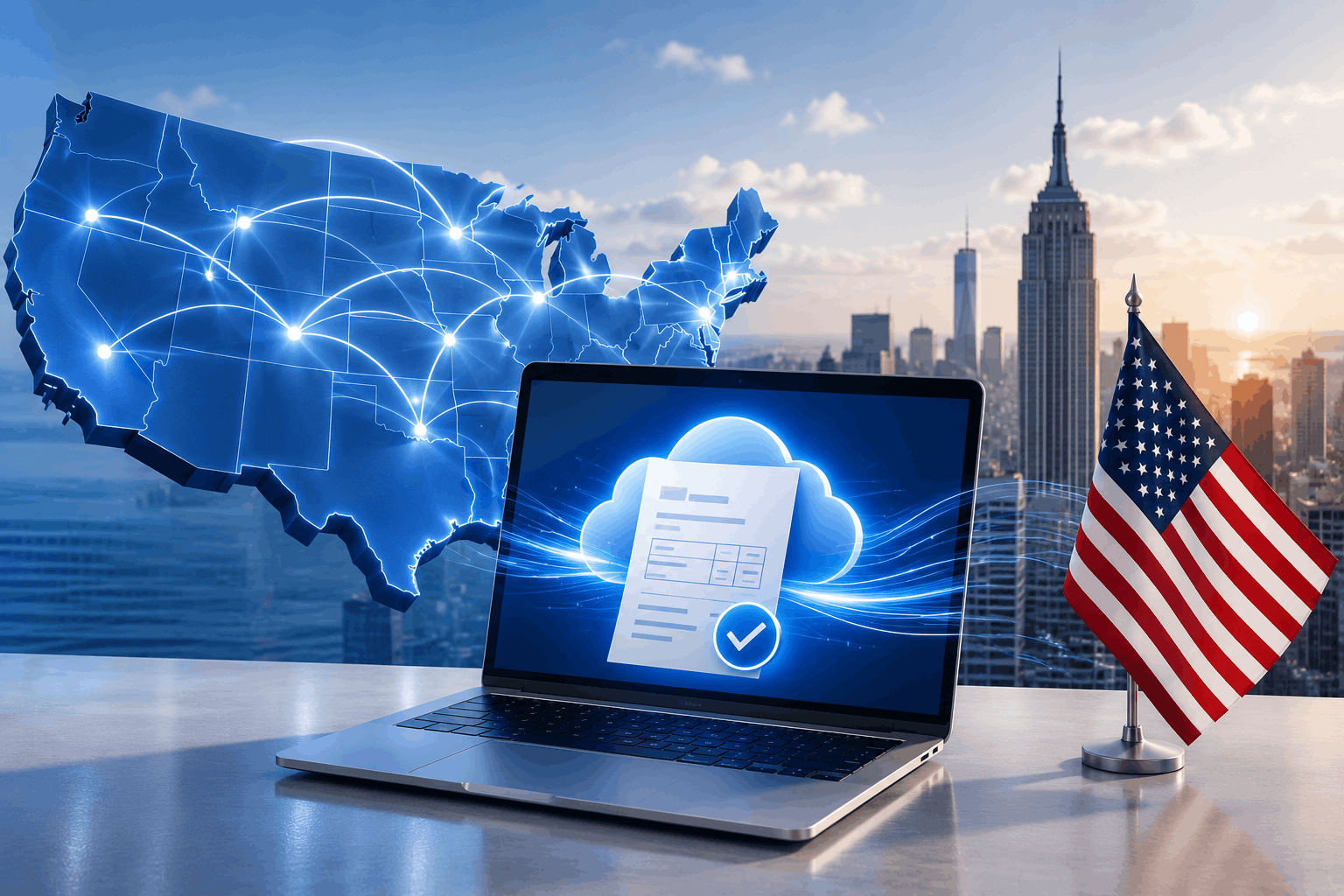
If you’ve been following the conversation around e-invoicing in the United States, you’ve probably heard the same thing more than once:
“There’s no federal mandate, so there’s no reason to rush.”
On the surface, that sounds true. Unlike many countries across Europe, Latin America, and Asia, the U.S. hasn’t introduced a nationwide requirement for businesses to exchange invoices electronically. Without a compliance deadline on the calendar, many organizations have continued relying on PDF invoices, email attachments, and manual processing.
Even without a federal mandate, more U.S. businesses are investing in e-invoicing than ever before. The reason isn’t regulation; it’s the way business is changing. Customers expect faster transactions, finance teams are under pressure to do more with less, and global supply chains are becoming increasingly digital.
For many organizations, waiting for a legal requirement may no longer be the best strategy. The market is already moving.
The Pressure Isn’t Coming From Washington
When people think about e-invoicing, they usually think about government mandates.
That’s understandable. Countries around the world continue introducing new regulations that require businesses to exchange invoices in structured electronic formats. In many of those markets, compliance isn’t optional.
The United States has taken a different approach.
Rather than introducing a nationwide mandate, the market is being shaped by business demand. Large organizations are modernizing their financial operations, suppliers are being asked to integrate more closely with customers, and companies doing business internationally are finding that traditional invoice processes simply don’t fit into an increasingly digital environment.
A U.S. business may never receive a letter from the government telling them to adopt e-invoicing. They may, however, receive that expectation from their biggest customers.
Global Trade Doesn’t Stop at the Border
Even companies that operate primarily in the United States are feeling the effects of global e-invoicing.
A manufacturer in Ohio might sell products to a customer in Europe. A software company in Texas could invoice clients across Latin America. A distributor in California may supply organizations with operations in multiple countries.
When those customers operate in jurisdictions with cross-border e-invoicing, invoice requirements begin extending beyond national borders.
Instead of sending a PDF, businesses may need to exchange invoices using structured formats such as XML or UBL. Systems that were originally designed for email attachments suddenly need to support automated invoice exchange.
The result is that international requirements begin influencing domestic business decisions. Whether a company is legally required to adopt e-invoicing in the United States becomes less important than whether its customers expect it.
Efficiency Is Becoming the Real Driver
While compliance often grabs the headlines, efficiency is what convinces businesses to make the investment.
Every finance team knows the routine. An invoice arrives by email, someone downloads the PDF, checks the information, enters the data into an ERP system, verifies the totals, and follows up if something doesn’t match. Multiply that process by hundreds or thousands of invoices each month, and the amount of time quickly adds up. Structured e-invoicing changes that workflow.
Instead of sending a document for someone to read, businesses exchange standardized invoice data that accounting systems can process automatically. Information flows directly between systems, reducing manual entry and minimizing opportunities for human error.
Research has shown that automated e-invoicing can reduce invoice processing costs by as much as 60–80%. Those savings aren’t simply about lowering expenses; they also free finance teams to spend less time entering data and more time focusing on higher-value work.
Cash flow can improve as well. Businesses using automated invoice processing are increasingly taking advantage of early-payment discounts because invoices move through approval workflows faster. When invoices spend less time waiting in someone’s inbox, payments happen sooner.
For many organizations, that’s reason enough to make the change.
Manual Processes Are Becoming a Competitive Disadvantage
Not long ago, emailing a PDF invoice was considered modern.
Today, it’s increasingly becoming the slowest part of an otherwise digital process.
Businesses are investing in automation across procurement, finance, and supply chain operations. They expect purchase orders, shipping notices, invoices, and payment information to move seamlessly between systems.
A manual invoice interrupts that flow.
Every time someone has to open an email attachment, type information into an ERP, or correct an avoidable error, efficiency is lost. That creates friction, not just for your business but for your customers as well.
Large enterprises are becoming more selective about the suppliers they work with, and many now expect digital integration as part of doing business. Suppliers that can exchange structured invoices fit naturally into those workflows. Those that rely entirely on manual processes may find themselves at a disadvantage.
The U.S. Is Building Its Own Approach
Although there isn’t a nationwide e-invoicing mandate, the United States isn’t standing still. Organizations such as the DBNAlliance are helping shape a more connected future for digital business transactions. Rather than creating a centralized, government-controlled system, the focus has been on developing an open, interoperable framework that allows businesses to exchange invoices using common standards.
One phrase you’ll hear often is “Connect Once, Connect to All.” Instead of building separate connections for every customer or trading partner, businesses connect to a shared network that supports standardized electronic document exchange. This approach gives organizations the flexibility to modernize today while preparing for future domestic and international requirements.
One of the key concepts behind this model is the four-corner model, which is also the foundation of the Peppol network used across many countries. In this model, each business connects to its own service provider rather than building direct connections with every trading partner. The service providers securely exchange documents on behalf of their customers, creating a scalable and interoperable way to send electronic invoices.
This is particularly crucial for companies operating internationally. Although e-invoicing may not yet be mandatory across the United States, U.S.-based software providers and businesses might still require a Peppol connection to facilitate invoice exchanges with clients in countries like Belgium and other markets where Peppol is already integrated into the invoicing process. Utilizing interoperable standards today enables organizations to support cross-border transactions and prepares them for future expansion. Whether driven by domestic policies, international growth, or changing customer demands, investing in interoperable networks now positions businesses advantageously for the opportunities ahead.
A Different Kind of Competitive Advantage
For many companies, the conversation has shifted from “Do we need e-invoicing?” to “How can e-invoicing help us operate more efficiently?”
That’s an important distinction. Modern finance teams are being asked to process more invoices without adding headcount. Procurement teams want better visibility into transactions. Leadership wants faster reporting and stronger cash flow.

Structured e-invoicing supports all of those goals. Instead of spending valuable time fixing invoice errors or following up on missing information, teams can focus on work that creates more value for the business. That efficiency doesn’t just improve internal operations; it also creates a better experience for customers, suppliers, and trading partners.
As digital transformation continues across every part of the business, invoicing is becoming another process that’s expected to work automatically in the background.
How Storecove Helps Businesses Stay Ahead
Keeping up with changing e-invoicing requirements can feel overwhelming, especially for organizations operating across multiple countries.
That’s where having the right technology partner makes a difference. Storecove helps businesses simplify e-invoicing with a single RESTful JSON API that supports e-invoicing in more than 30 countries. Rather than building and maintaining separate integrations for every new market, businesses can connect once and continue adapting as requirements evolve.
Supporting standards such as Peppol and other country-specific frameworks allows organizations to prepare for today’s requirements while building a foundation for tomorrow’s. Whether the goal is improving efficiency, supporting international growth, or preparing for future mandates, businesses can move forward with confidence knowing their invoicing infrastructure is built to scale.
Read More
 Lauren Kelly
 Lauren Kelly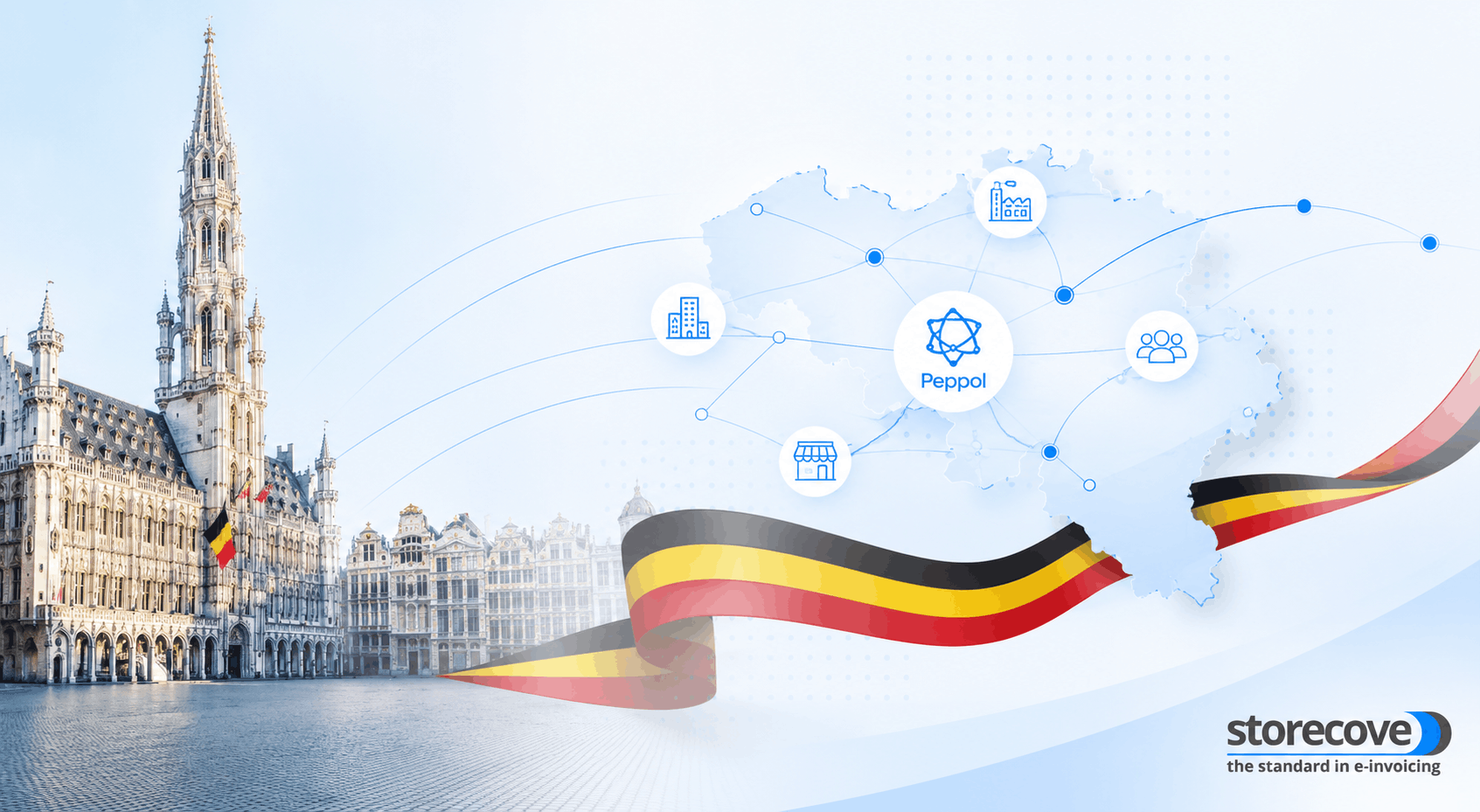
 Lauren Kelly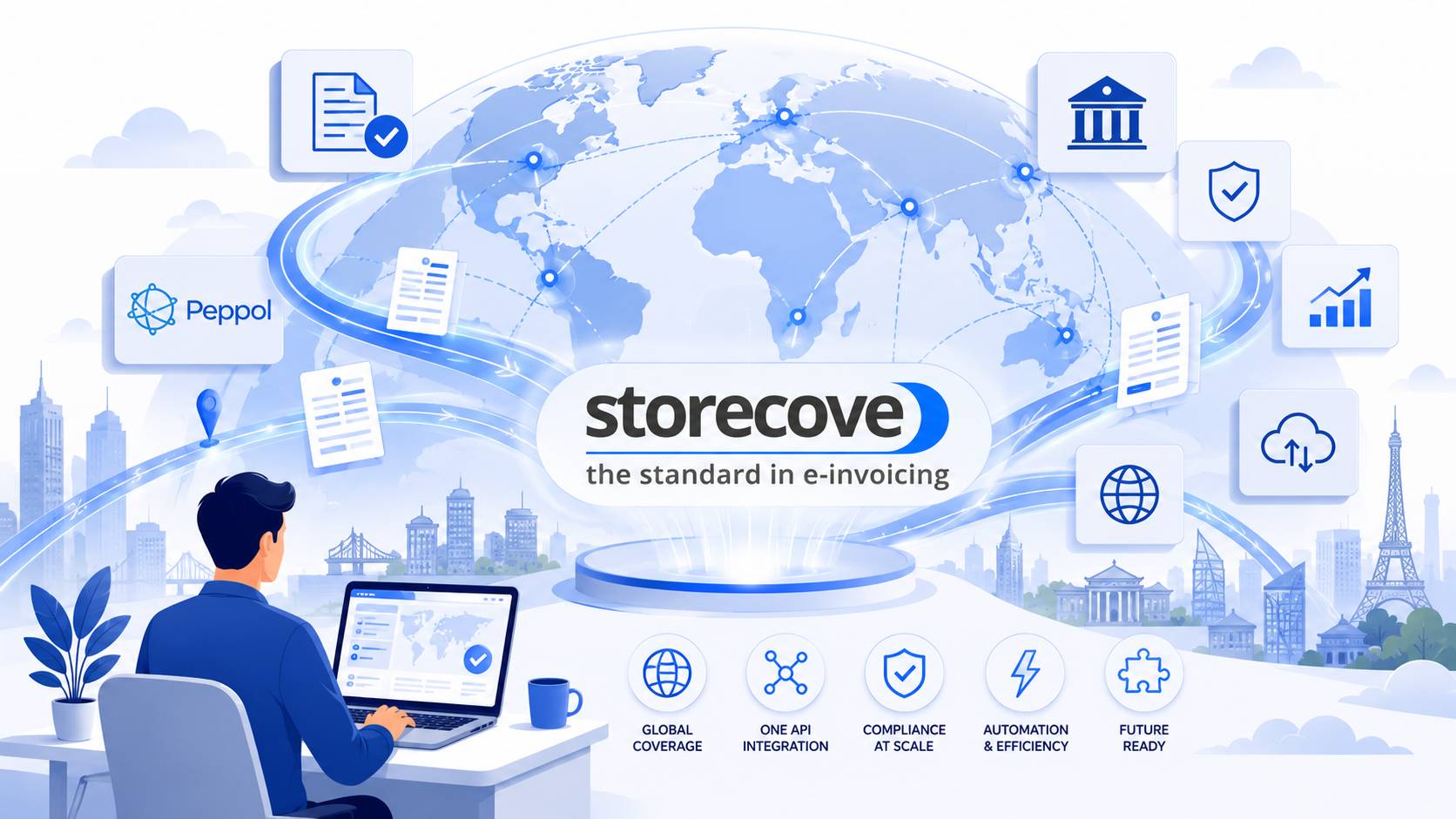

Comments