E-invoicing is becoming a standard part of how businesses operate globally. In many countries, it is already required, supported by structured formats, real-time reporting, and established exchange networks. In the United States, adoption is still developing, but awareness is growing.
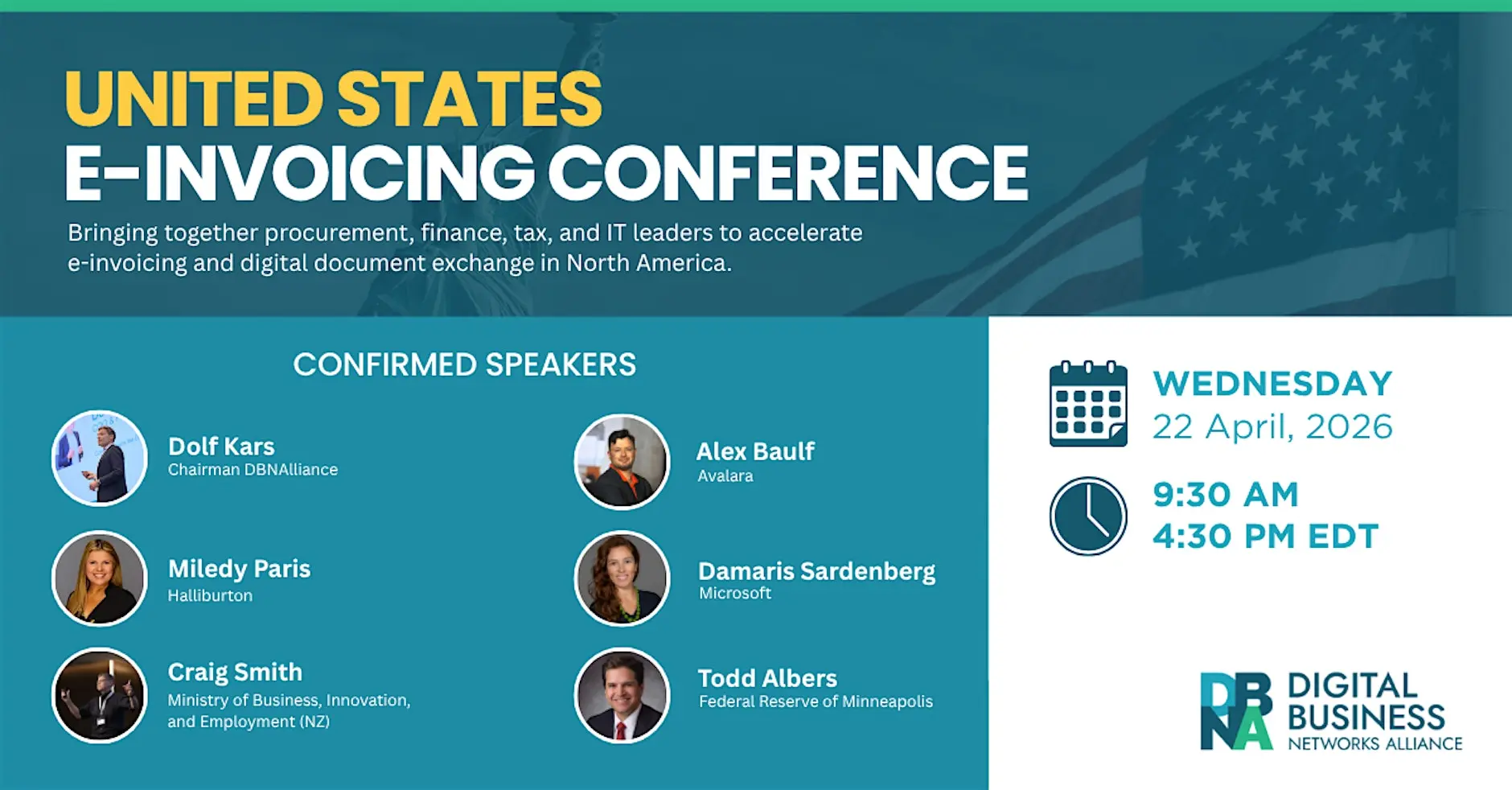
As more companies operate across borders and look for consistency in how they manage invoicing, the U.S. market is starting to pay closer attention. The DBNAlliance U.S. E-Invoicing Conference, taking place April 22 in New York City, is focused on exactly that: helping businesses understand where the U.S. stands today and what to expect moving forward.
Why the U.S. Is Starting to Pay Attention to E-Invoicing
For many U.S. businesses, invoicing is still handled through PDFs, emails, or manual systems. While these methods are familiar, they often create inefficiencies, increase the risk of errors, and pose challenges when operating across multiple regions. At the same time, U.S. companies operating internationally are already dealing with e-invoicing requirements in other countries, many of which use the Peppol network to exchange invoices in a standardized way.
This shift is starting to influence how U.S. companies think about their invoicing processes. Instead of viewing e-invoicing as optional, more businesses are recognizing it as a necessary step toward staying competitive and compliant in a global market.
Why Attending the Conference Can Be Valuable
For businesses that are still early in their e-invoicing journey, this event offers a clear starting point. Attendees will have the opportunity to hear directly from organizations shaping the U.S. e-invoicing landscape, better understand how global models can apply to the U.S. market, and learn what steps they can take now to prepare internally. If your organization is exploring e-invoicing or preparing for future compliance changes, this is a valuable opportunity to get ahead of the curve.
👉 Secure your ticket here
👉 Learn more about the event

What Conversations Are Happening at the Conference
The conference will focus on how e-invoicing can scale in the U.S. and what needs to happen to support broader adoption. One of the key topics is interoperability, the ability of different systems to communicate without complex integrations. This is a core concept behind the Peppol network and is a major consideration for how e-invoicing is being approached in the U.S.
Another important piece is how businesses actually connect to these networks. In many countries where Peppol is already in use, companies work with certified providers, known as Peppol access points, to send and receive invoices. This “connect once” approach removes the need for multiple integrations and makes cross-border invoicing much simpler.
In addition to these technical topics, the conference will also cover how businesses can prepare for future compliance requirements, what a U.S. e-invoicing network could look like, and how global standards can be adapted to fit the U.S. market.
What This Shift Could Mean for U.S. Businesses
E-invoicing in the U.S. is still in its early stages, but the direction is becoming clearer. As global adoption continues to grow, businesses operating internationally will need solutions that align with multiple regions.
Understanding how networks like DBNAlliance and frameworks like Peppol work can help companies make more informed decisions and avoid reactive changes later on. Based on what we've seen across global e-invoicing adoption trends, adoption tends to accelerate quickly once standards and networks are in place. This means that businesses that wait too long to prepare may have to catch up quickly.
Starting early allows companies to take a more strategic approach. It gives them time to evaluate their current systems, understand how different models work, and build scalable processes as requirements evolve.
Who is Behind DBNAlliance
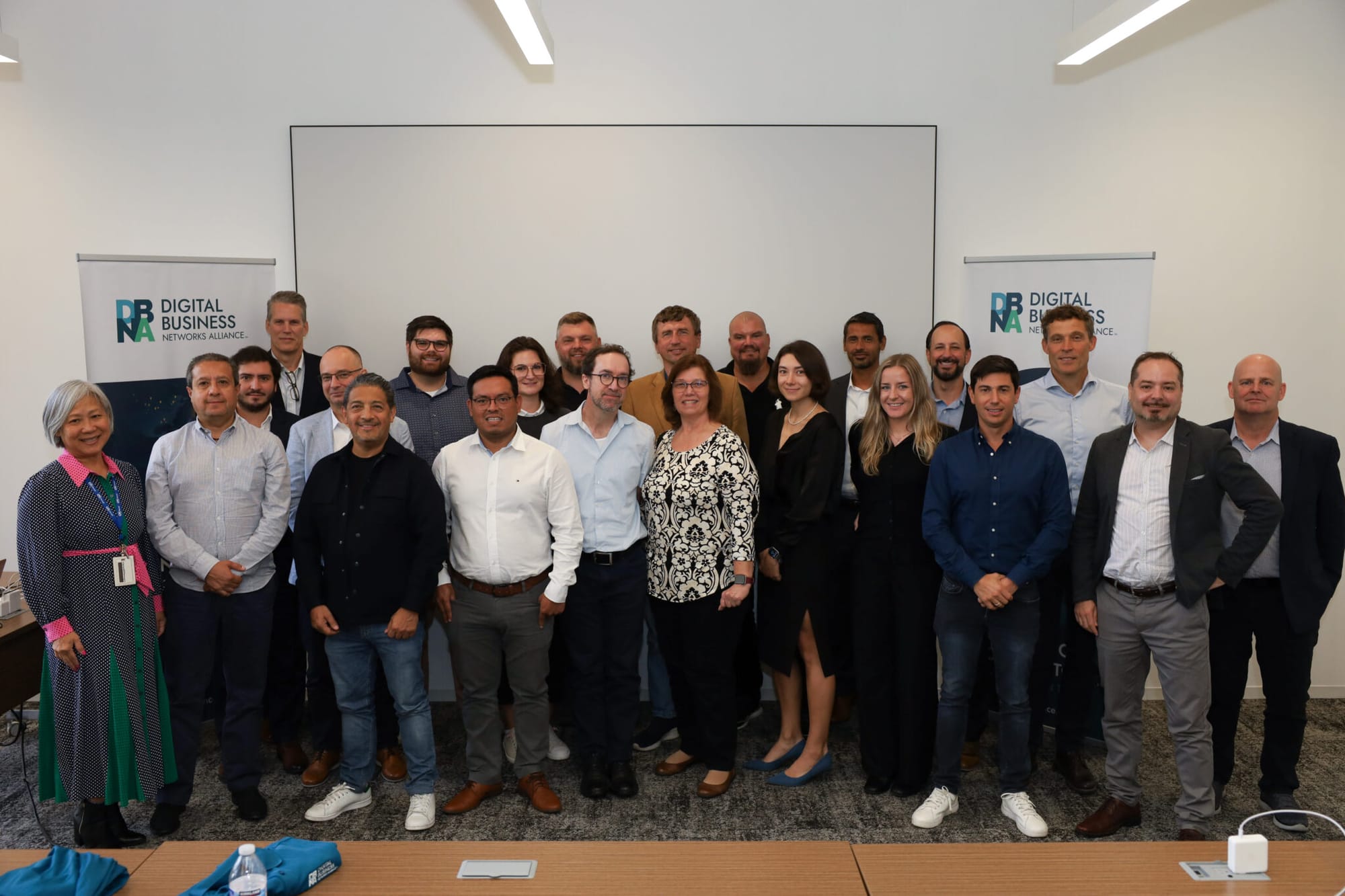
DBNAlliance is leading the development of an open exchange network for e-invoicing in the U.S. The organization brings together a group of industry leaders working towards a more standardized, connected approach, combining technical expertise with real-world business experience.
The Board of Directors includes Dolf Kars of Storecove, Mimi Stansbury of OFS Portal, Ahti Allikas of OpusCapita, David Harless of Halliburton, Shawn Green of ConocoPhillips, Damaris Sardenberg of Microsoft, Alex Baulf of Avalara, and Alisa Konchenko of DocStudio. Together, they represent a wide range of perspectives across e-invoicing, tax compliance, enterprise finance, and digital infrastructure.
Leaders from companies like Microsoft and Avalara bring experience in building scalable technology and navigating complex regulatory environments, while organizations like Halliburton and ConocoPhillips offer insight into how large enterprises manage invoicing at a scale across multiple regions. At the same time, providers such as Storecove, OpusCaptia, OFS Portal, and Docstudio contribute hands-on experience in building and operating e-invoicing networks and integrations.
As the U.S. continues to define its approach, this level of collaboration plays an important role in building a system that is flexible, scalable, and aligned with how e-invoicing already works in other parts of the world.
Where Things Are Headed
The DBNAlliance U.S. E-Invoicing Conference is an opportunity to better understand how e-invoicing is developing in the U.S. and what businesses should be paying attention to.
As awareness continues to grow, events like this will play an important role in helping businesses prepare for what comes next. For many, this will be one of the first steps toward understanding how global e-invoicing trends are taking shape in the U.S. market. Make sure to secure your ticket to this incredible event today!

Comments